
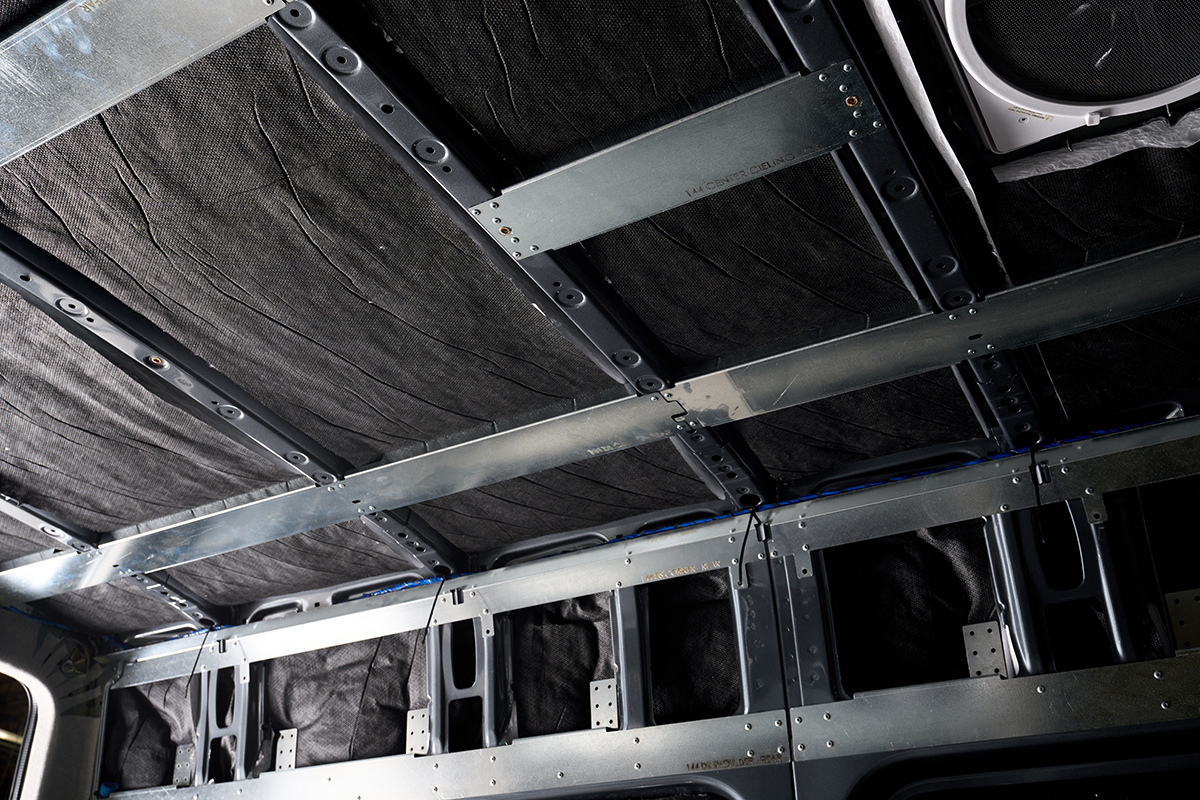
When shopping for or building a custom camper van, most people focus on the shiny finish line: sleek cabinetry, off-grid power systems, and cozy sleeping quarters. But what lies behind the walls—the camper van infrastructure—is just as critical to your vehicle’s lifespan and safety.
Not all adventure vans are built the same. Whether you are buying from a professional van builder or tackling a DIY build, installing a strong internal structure at the onset is essential for long-term durability.
The Problem with Factory Van Sheet Metal
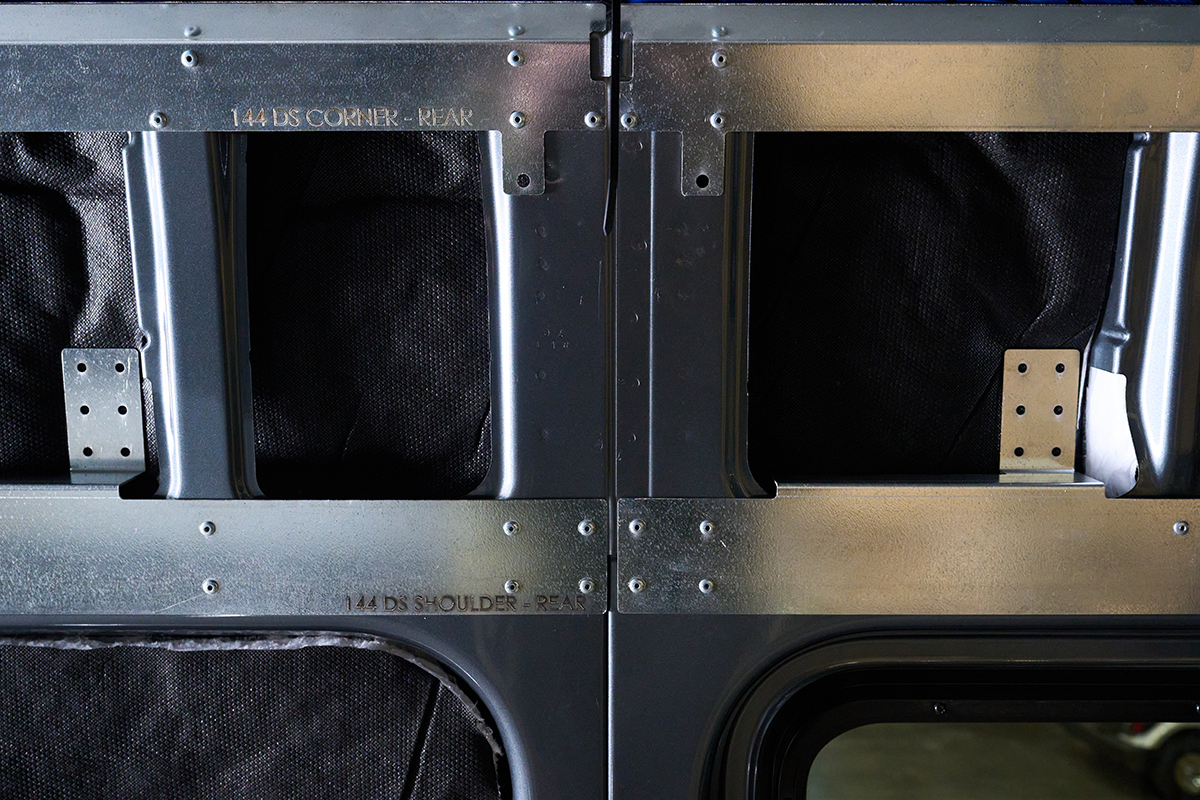
Modern van chassis (like the Mercedes-Benz Sprinter, Ford Transit, or RAM ProMaster) are built with strong factory sheet metal. However, that metal is exceptionally thin and engineered strictly for the vehicle’s structural frame—not for hanging heavy cabinetry or appliances.
If you rely solely on factory sheet metal to hold upper cabinets, water tanks, or battery systems, you will quickly encounter structural weakness, especially off the floor along the walls and ceiling.
1. Differential Flex and Thermal Expansion
Wood, aluminum, and high-tech composites do not flex at the same rate as factory sheet metal under stress. As you drive down the road or navigate bumpy fire roads, your van chassis naturally twists and flexes.
2. Mounting Fatigue and Noise
When the vehicle chassis flexes against rigid interior components, the connection points take the brunt of the stress:
- Elongated Mounting Holes: Over time, continuous stress causes mounting holes to wallow out and expand.
- Squeaks and Rattle: Loose mounts create constant friction, resulting in annoying squeaks and rattles while driving.
- Component Failure: Eventually, a loose mount fails completely, leading to sagging panels or falling overhead cabinets.
Why Rivnuts and Spot Reinforcements Fall Short
To prevent loose mounts, many builders attempt spot fixes like rivnuts (threaded inserts) or localized metal bracing. While these methods help for light-duty applications, they still rely on small surface areas of factory sheet metal. Under continuous vibration, even threaded inserts can loosen over time.
To ensure long-term stability, your adventure van requires a broad, continuous structural framework that spans beyond individual mounting points. A full-coverage structural kit adds overall rigidity to the vehicle walls and provides unlimited flexibility for mounting gear.
The Solution: Heavy-Duty Structural Framing
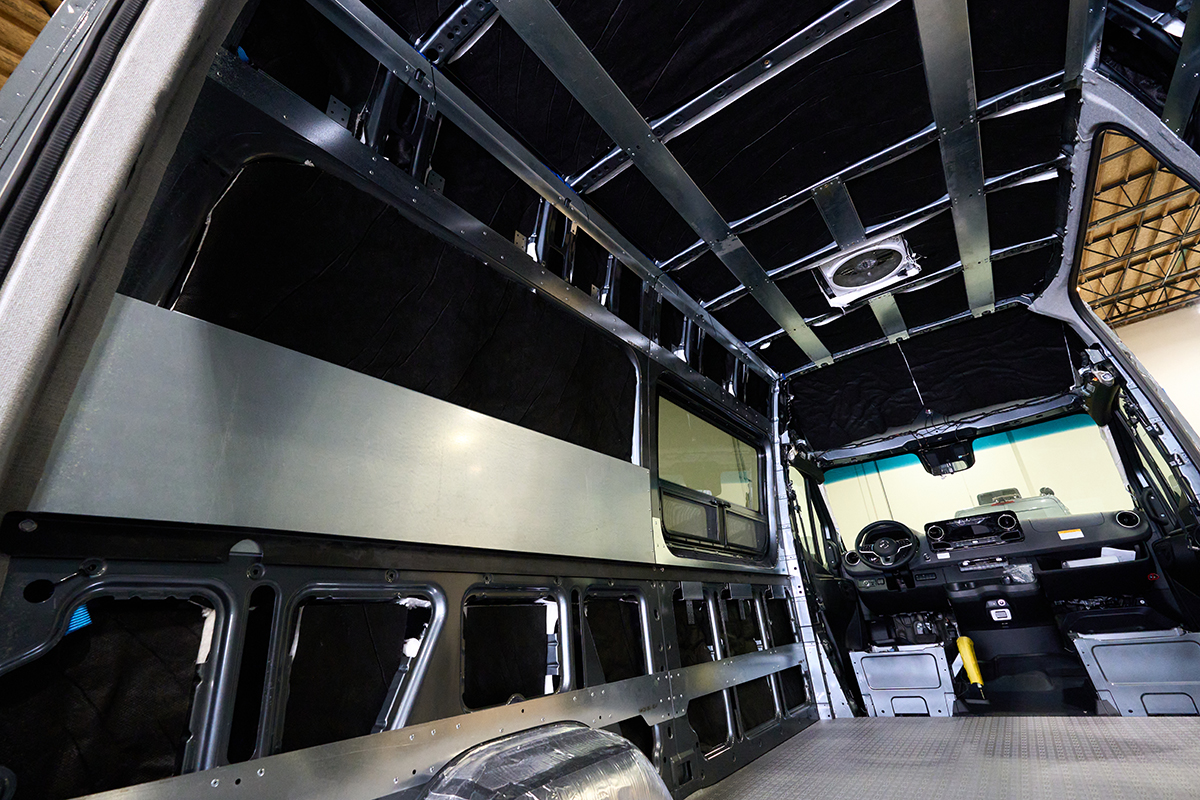
Using heavy-gauge galvanized sheet metal as a internal structural foundation offers the strength and rigidity needed for rugged off-road travel.
By securing 1/8” galvanized steel framework directly to the factory wall ribs using structural rivets, you span the open voids of the van chassis and create a solid anchoring foundation.
Proven Strength in Action
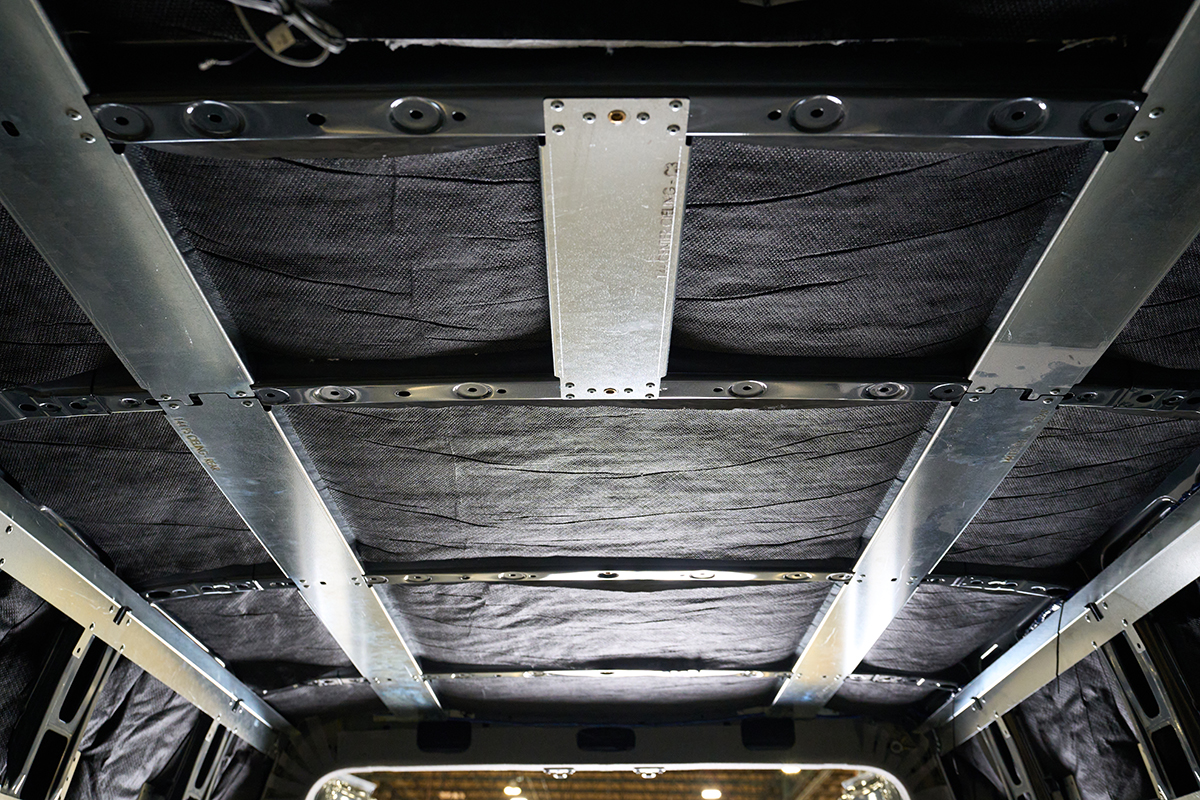
When anchor points are tied into a galvanized steel infrastructure, load capacities increase exponentially:
- Extreme Load Handling: Properly installed structural bracing can easily support hundreds of pounds of pull force per anchor point.
- Real-World Testing: By tying single L-track style anchor points into structural framing on opposite corners of a van ceiling, the setup easily supports a 300 lb adult in a suspended hammock without damaging the roof or flexing the chassis.
Where Is Interior Structure Most Critical?
Before installing insulation, wall panels, or interior finishes, map out where heavy items will live in your layout. Ensure dedicated structural bracing is installed in these key locations:
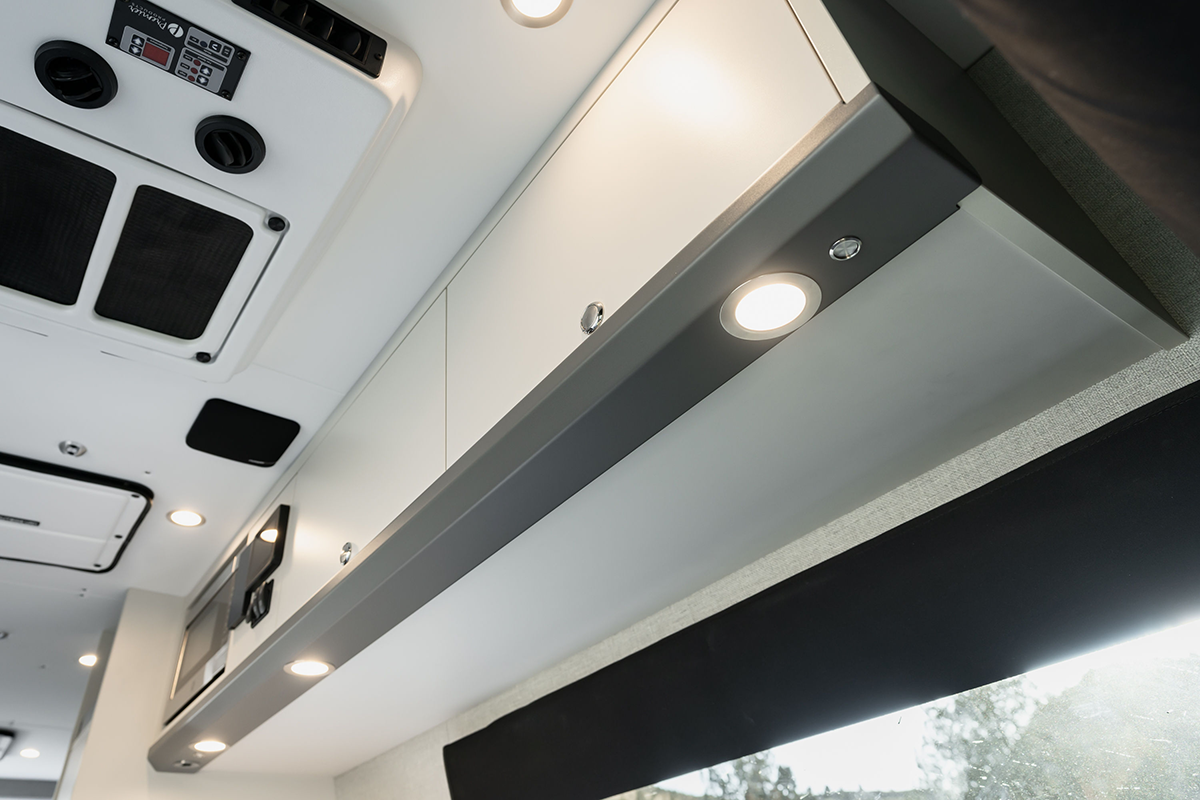
- Overhead Storage & Cabinets: Prevents upper cabinets from pulling away from the ceiling when driving on rough terrain.
- Heavy Electrical Components: Inverters, lithium battery banks, and chargers require rigid mounting to avoid internal short circuits or loose wiring connections.
- Freshwater Tanks & Plumbing: Water weight creates massive kinetic force during braking and cornering.
- Hanging Accessories & Cargo track: Gear racks, hammocks, and interior bike mounts require high tensile strength anchor points.
Plan Ahead for a Quiet, Worry-Free Build
Preventing squeaky interiors and sagging cabinets starts long before the interior finish work begins. If the adventure van you are purchasing or building lacks proper internal structure, the result will eventually be a noisy, rattling vehicle that wears down over time.
By addressing your camper van infrastructure at the very beginning of your build, you ensure years of quiet, worry-free adventures off the beaten path.
Ready to Start Your Dream Build?
Explore our custom Outside Van Build Process or check out our inventory of Built-for-Adventure Camper Vans engineered with full structural framing.

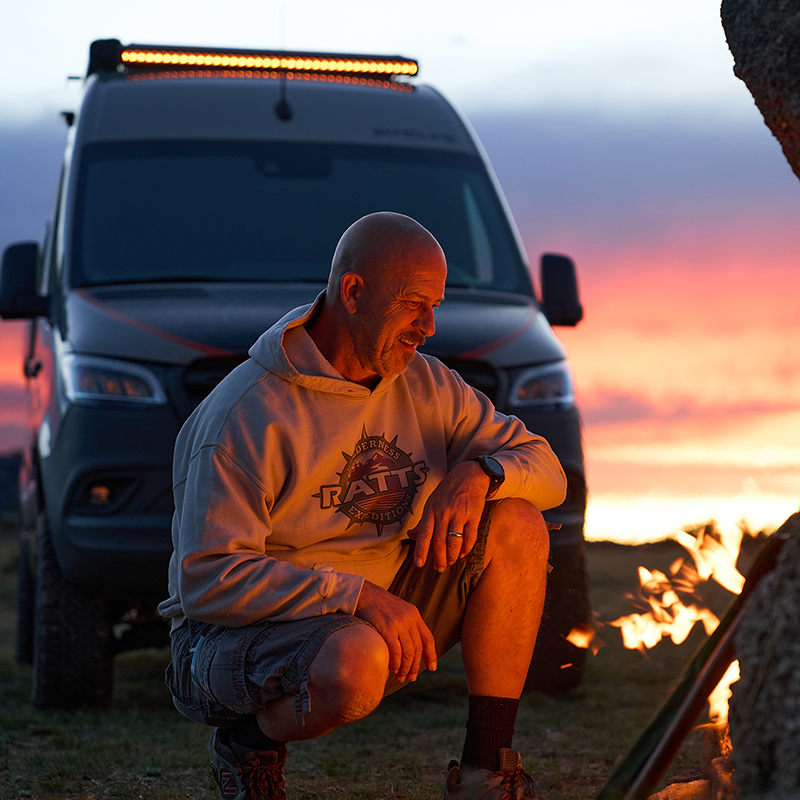
My name is Tom. I have been directly involved in the building and servicing of Adventure Vans for about 10 years but first got into the industry at the onset of Outside Van, when it was a baby, almost 20 years ago. I have almost 40 years of low voltage experience professionally.
For Shop Talk, we will be diving into a number of topics related to Adventure Vans and their systems. We will be looking at systems, components, features and design choices. While we will try to be comprehensive, we also want to speak plainly to the subject matter. The purpose of this is to open up subjects to buyers and DIY builders of Adventure Vans who are looking for some better understanding directly from the people that build them.
Got a question for Tom? Submit them here and they could be featured in the next edition of Shop Talk!