
So you’re thinking about getting an adventure van. How do you choose the right one? What key features should you look for? From chassis selection to custom layouts, several factors will impact your decision.
In this editon of Shop Talk, we dive into the core factors and possibilities so you can choose the ideal vehicle for your off-grid lifestyle.
What is an Adventure Van?
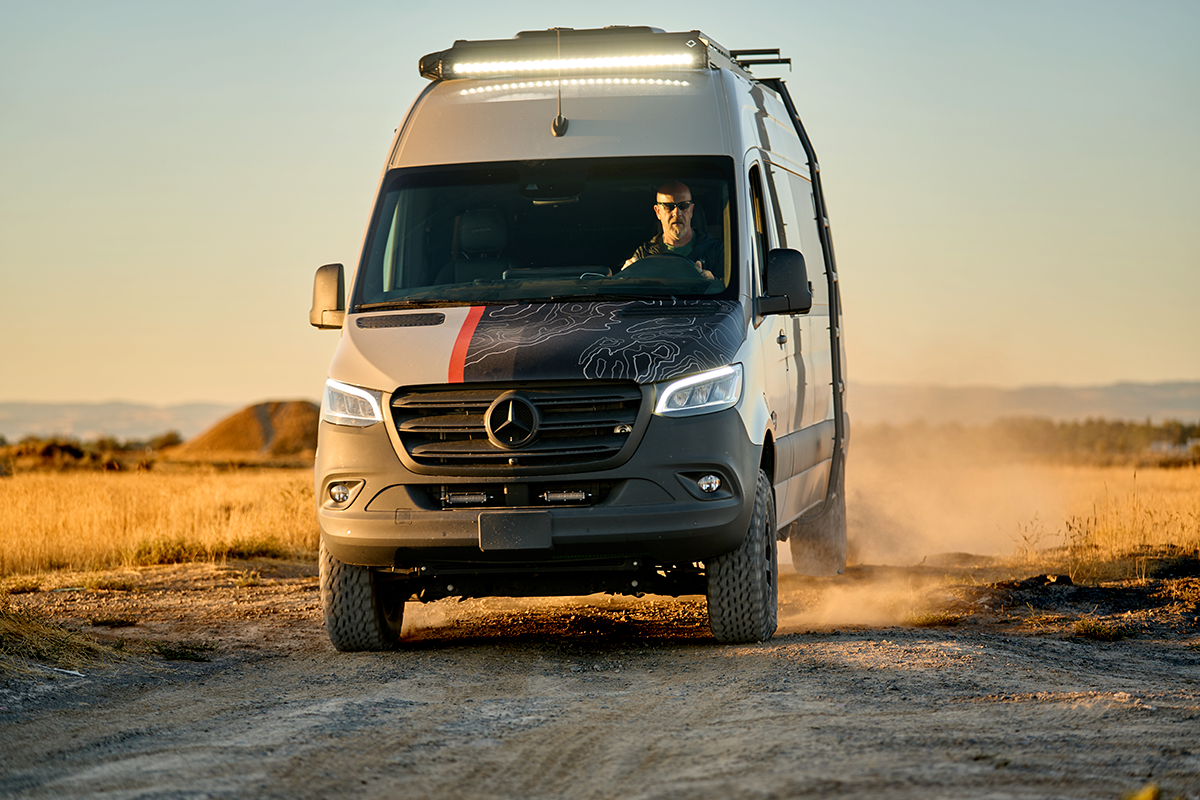
In plain terms, an adventure van is a self-contained vehicle designed to take you off the beaten path to places traditional RVs cannot reach. Whether it is a modern custom conversion, a classic van, or a modified RV, these vehicles are optimized for off-road travel and off-grid exploration.
Unlike traditional recreational vehicles, adventure vans provide full self-containment far from civilization. Consequently, they serve as the ultimate mobile basecamp for outdoor enthusiasts, including:
- Mountain bikers needing integrated gear storage
- Skiers and snowboarders requiring cold-weather capability
- Rock climbers and extreme hikers accessing remote trailheads
- Overlanders seeking reliable off-grid power and comfort
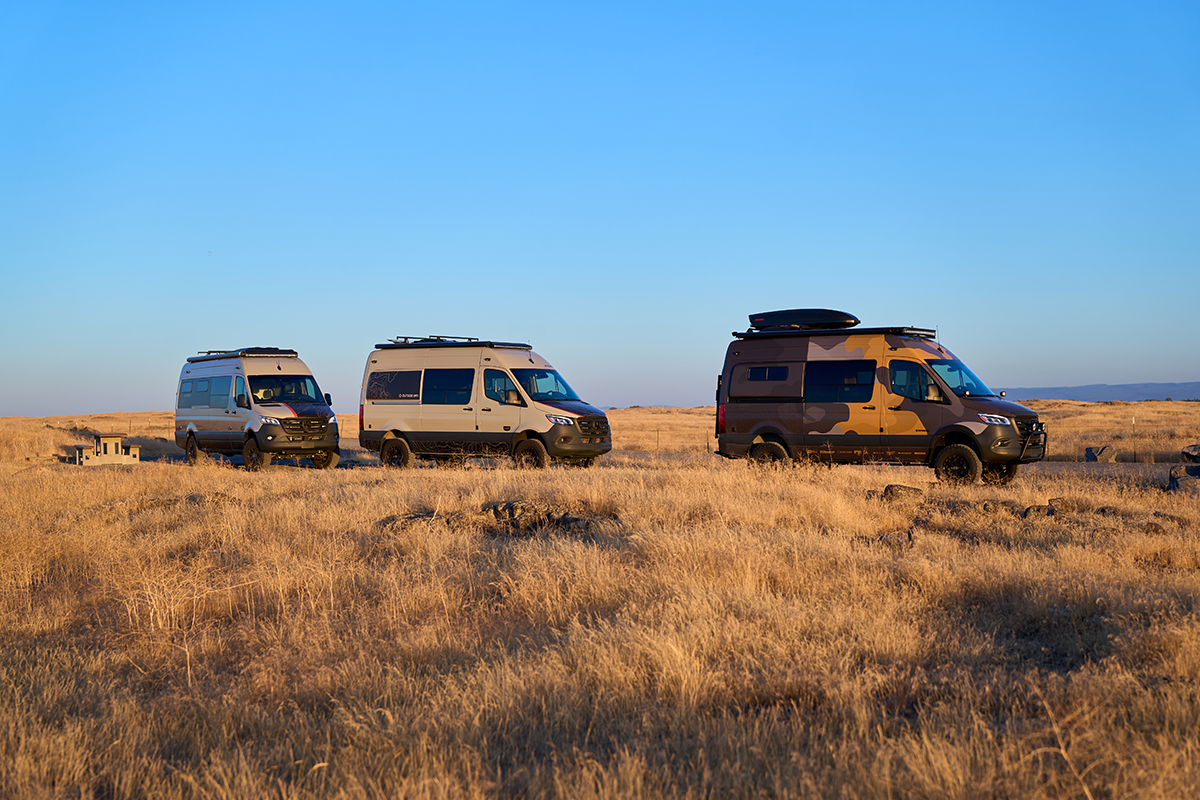
3 Ways to Buy or Build Your Van
- Pre-Made (Model) Vans: A pre-made or series-built van from an established builder gives you a finished, ready-for-the-road vehicle with pre-selected options. This option offers the fastest delivery time and standardized builds, though layout options are fixed.
- Custom-Built Adventure Vans: A custom build offers maximum control over your vehicle’s function, layout, and features. Working with a dedicated builder allows you to design a one-of-a-kind space around your specific gear, sleeping arrangements, and premium custom materials.
- DIY Van Conversions: Building a van yourself offers ultimate personal flexibility and creative control. However, DIY conversions are the most time-consuming option, require self-sourcing all parts, and involve a steep learning curve regarding wiring, plumbing, and structural installation.
Evaluating the Chassis: Sprinter vs. Transit vs. ProMaster
Your choice of chassis forms the foundation of your entire build. While no single chassis is “the best” for every purpose, evaluating their key differences helps align the vehicle with your target terrain.
- Mercedes-Benz Sprinter: Featuring a primary AWD/4×4 drivetrain with tried-and-true off-road capability, the Sprinter offers high payload and towing capacity. It is best suited for remote off-grid travel, all-weather performance, and heavy custom builds.
- Ford Transit: Equipped with an AWD or RWD drivetrain and moderate off-road capability, the Transit provides moderate payload capacity. It is best suited for long highway cruising and light-to-moderate trail use.
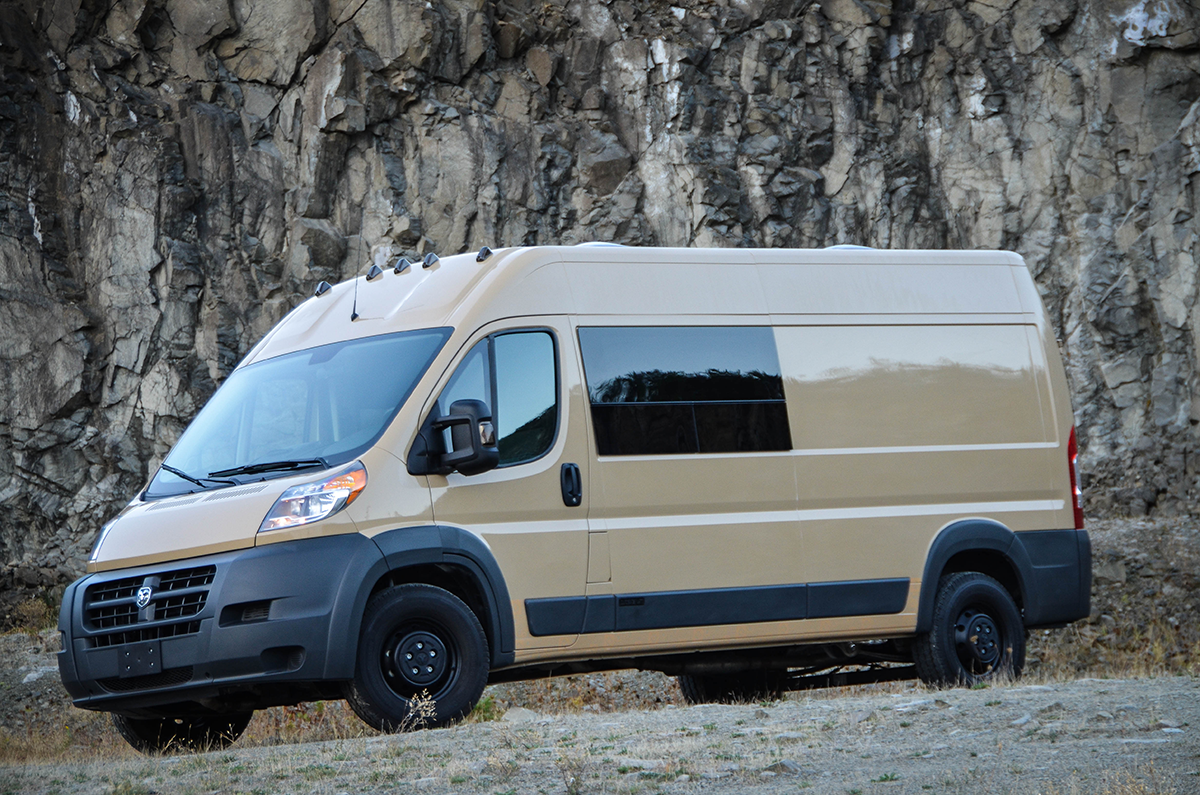
- RAM ProMaster: Built on a front-wheel-drive (FWD) platform, the ProMaster has lower off-road ground clearance and reduced towing capacity. It is best suited for paved roads, urban camping, mild climates, and budget-conscious conversions.
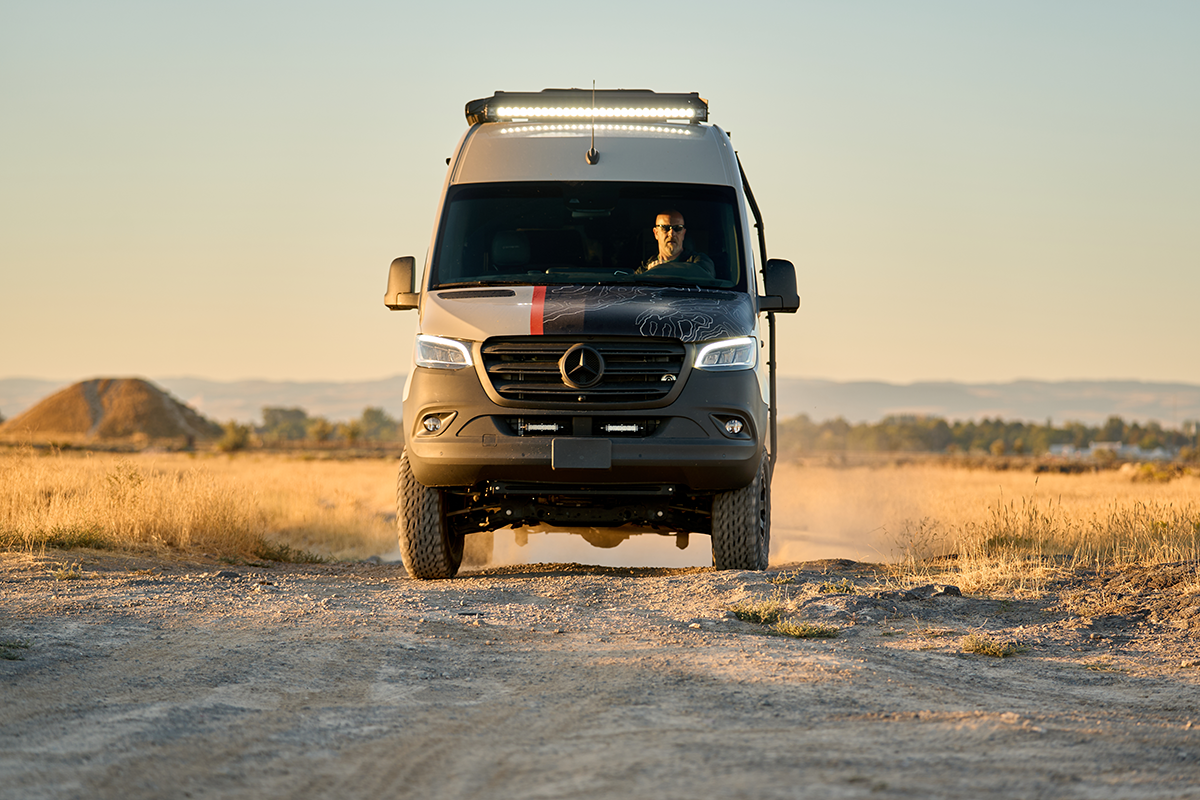
Mercedes-Benz Sprinter
The Mercedes-Benz Sprinter remains the most popular chassis choice for good reason. For years, Mercedes has specifically supported and engineered the platform with the adventure van industry in mind. Its tried-and-true All-Wheel Drive (AWD) system delivers unmatched off-road stability for severe conditions and remote travel.
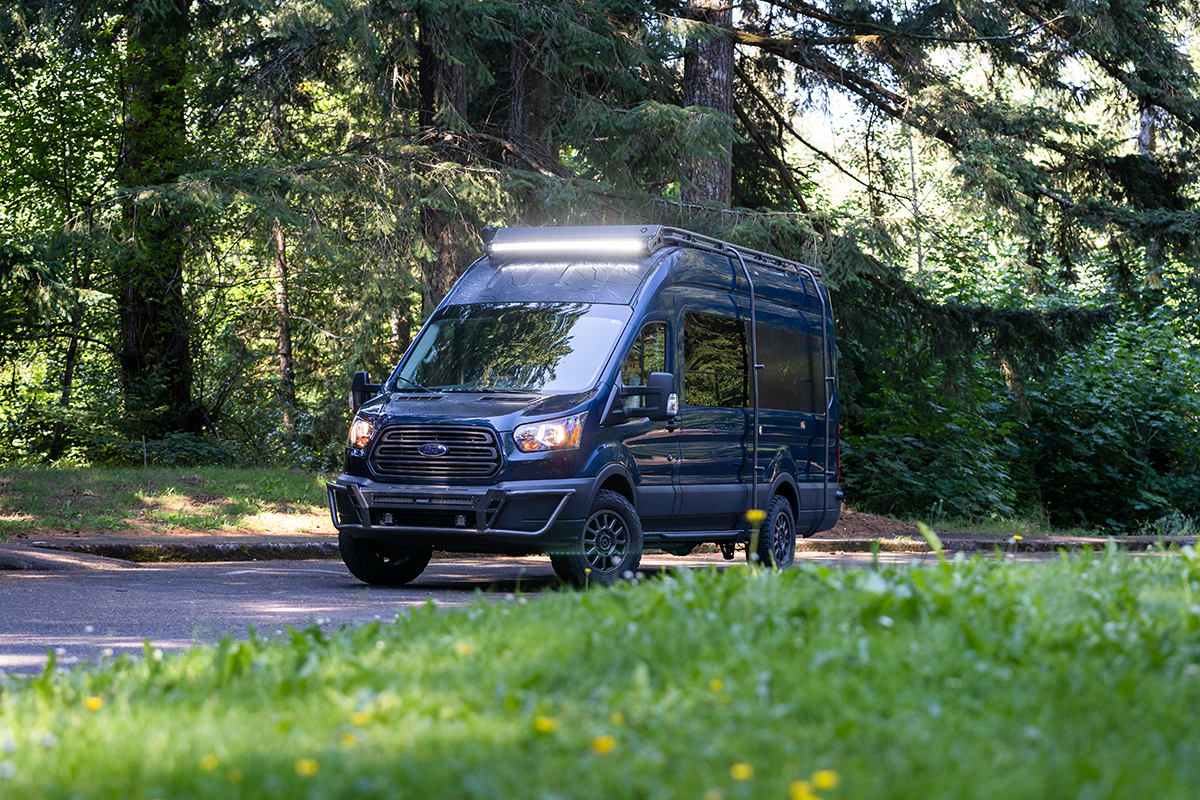
Ford Transit
Ford has aggressively targeted the adventure van market in recent years. The Transit offers an AWD system and solid road performance, making it a popular choice. However, it is often viewed as slightly less capable in extreme off-road scenarios compared to the Sprinter.
RAM ProMaster
The RAM ProMaster (Dodge chassis) operates solely on front-wheel drive (FWD). While it lacks the ground clearance and traction needed for deep backcountry trails, it works well for travelers who do not plan to venture into overly remote or rugged locations.
Defining Your Van’s Purpose & Features
Because every adventure is unique, your van layout must directly support how you plan to use it. Ask yourself these key questions during the planning stage:
- Seasonality: Do you need a true 4-season insulated van for winter conditions, or will a 2-to-3-season build suffice?
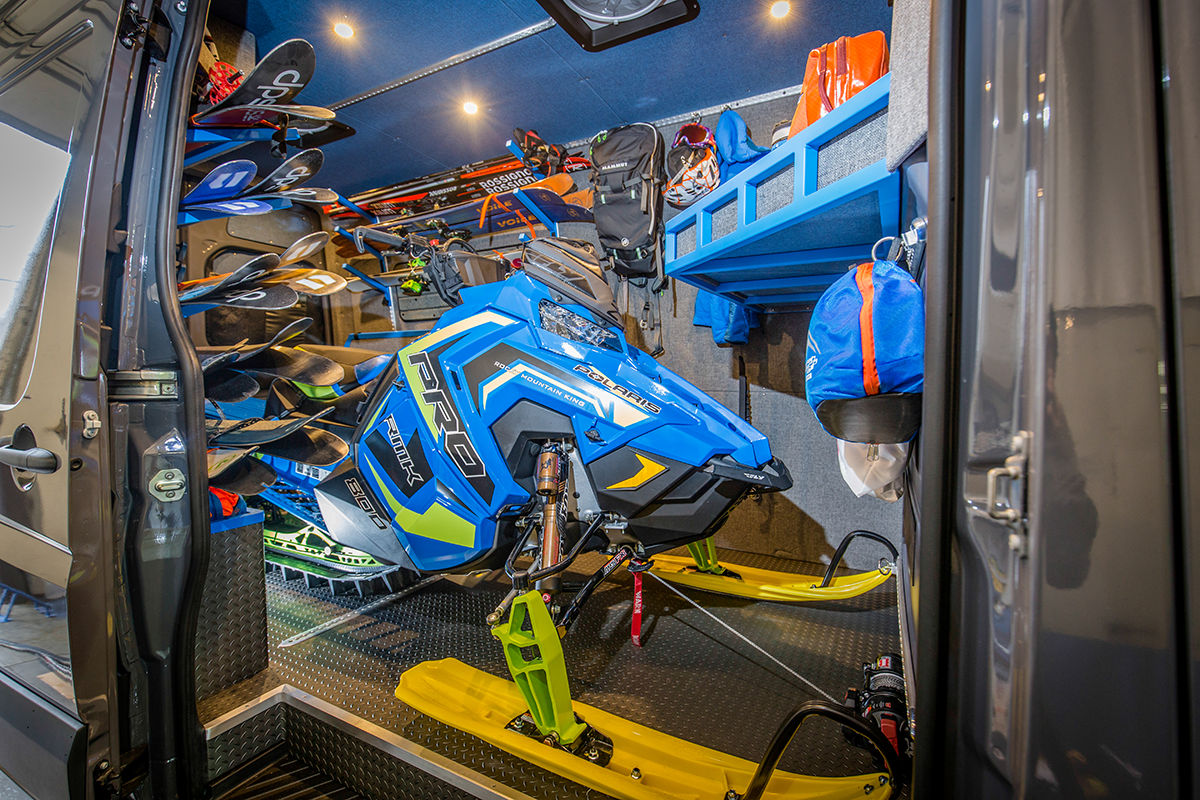
- Gear Storage: Does the floor plan accommodate all your gear, bikes, or skis?
- Capacity: Is the interior layout properly sized for your entire travel team?
- Living Space: Does the sleeping area, passenger seating, and galley (kitchen) fit your daily needs?
A pre-made model van offers fixed floor plans and pre-selected components. In contrast, a custom-built van provides a blank canvas—allowing you to choose your sleeping orientation, bed size, appliances, trim materials, and interior colors.
Quality, Craftsmanship, and After-Sales Service
Not all van builders are created equal. Whether comparing pre-made models or custom builds, evaluating the structural quality of the conversion is critical to long-term reliability.
1. Structural Durability
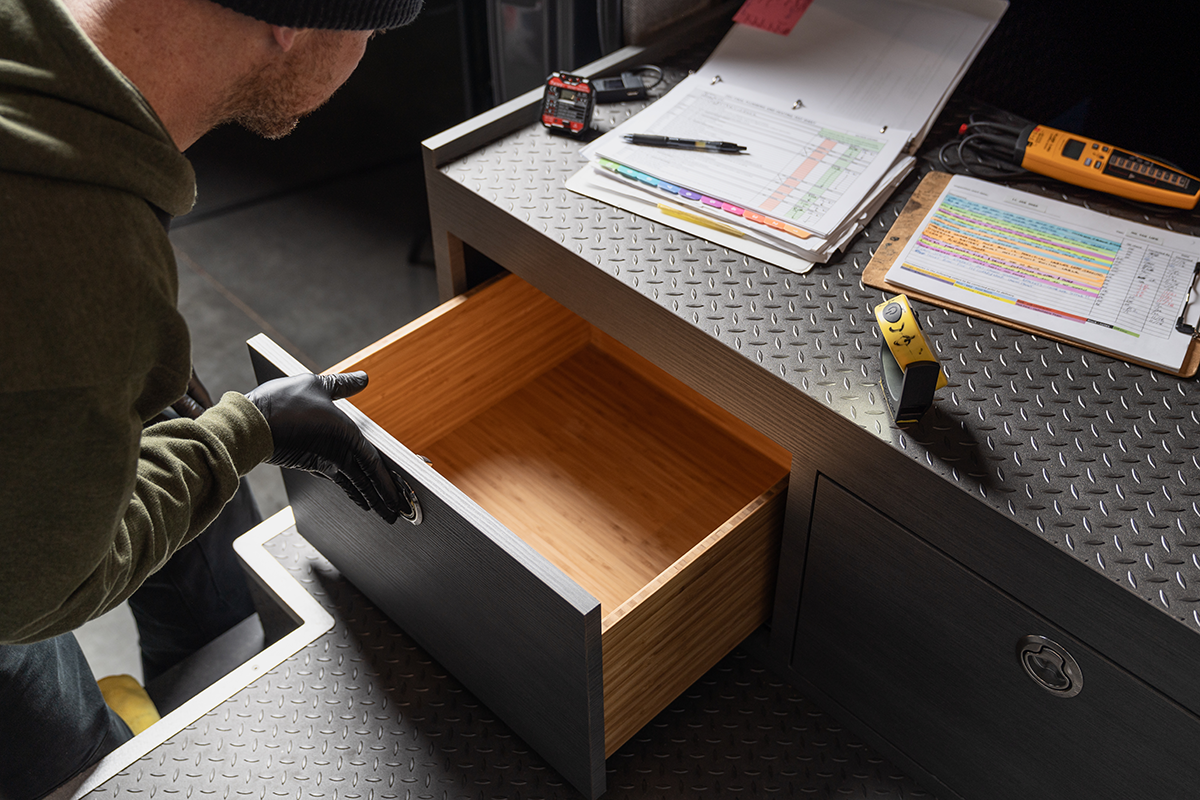
Ask about the underlying structure and materials. Will the subfloor, insulation, and interior paneling hold up over time against wear, extreme temperature shifts, moisture changes, and off-road dust?
2. Serviceability & Builder Support
When you put miles on an adventure van, components will eventually require maintenance. Consider how easy the van is to service:
- Can parts be accessed and repaired quickly?
- Can you perform basic maintenance yourself?
- Is the builder responsive and dedicated to customer support when issues arise?
At Outside Van, we prioritize heavy-duty structural integrity and premium materials engineered to endure demanding environments for years to come.
Are you ready to start building your ideal off-grid basecamp?

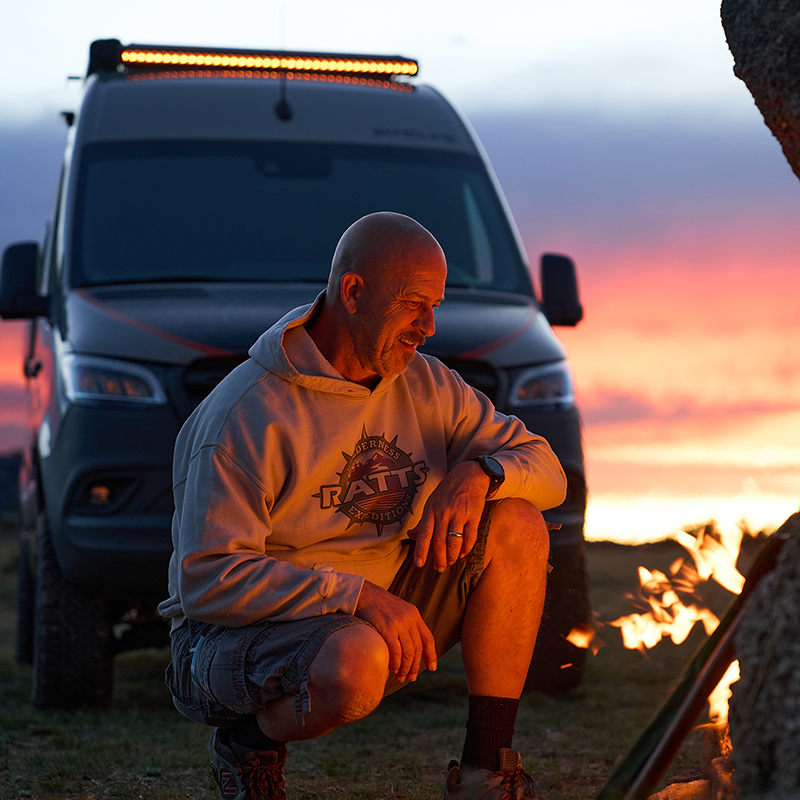
My name is Tom. I have been directly involved in the building and servicing of Adventure Vans for about 10 years but first got into the industry at the onset of Outside Van, when it was a baby, almost 20 years ago. I have almost 40 years of low voltage experience professionally.
For Shop Talk, we will be diving into a number of topics related to Adventure Vans and their systems. We will be looking at systems, components, features and design choices. While we will try to be comprehensive, we also want to speak plainly to the subject matter. The purpose of this is to open up subjects to buyers and DIY builders of Adventure Vans who are looking for some better understanding directly from the people that build them.
Got a question for Tom? Submit them here and they could be featured in the next edition of Shop Talk!